What Happens at a Grievance Meeting? What Unionized Workers Need to Know
· 6 minute read · Aaron Beaudry
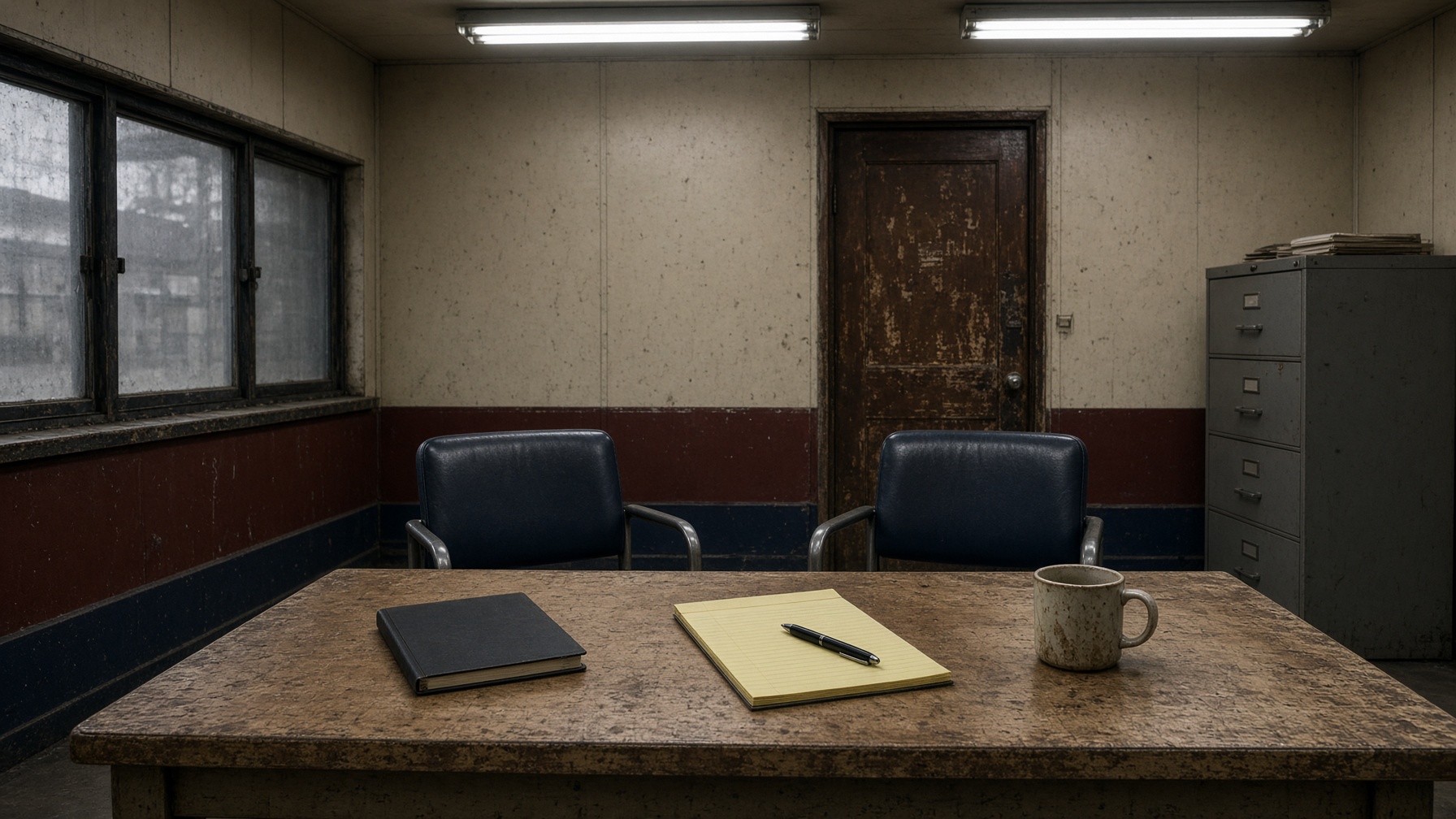
The meeting is not the grievance. The grievance is the paper. The meeting is where you find out whether the company is going to fix it, fight it, or stall it.
Your collective agreement sets the steps. Some books have two. Some have three. Step one is often the supervisor who made the call. A later step is often labour relations, with a chief steward or a rep in the room. Do not borrow the steps from another local. Open the grievance procedure and see who sits where, and how many days you have to move it if they say no. Ontario’s agreement library is where a lot of those books live. The ministry’s page on grievance arbitration is the government overview of what happens if the meetings do not end it.
Before you sit down
You should already know three things. What happened. Which article. What redress you want. If you cannot say those out loud, you are not ready, and the other side will notice. That is the same work as building the grievance: dates, names, the clause, and the ask. Pay the overtime. Pull the letter. Award the posting. Put the member back to work.
Bring the paper. The letter. The schedule. The posting. The seniority list. Your notes from the shift it happened. Do not count on remembering a sentence you heard at 19:10 beside the time clock.
Talk to your steward before the meeting, not in the hallway on the way in. Agree who talks. In a lot of rooms the steward presents and the member answers questions. That is not a rule of law. It is a plan. Make the plan.
Who is in the room
You. Your steward, or a union representative. Their supervisor or their labour-relations person. Sometimes more than one of them. Sometimes a note-taker who does not say much and writes down everything.
You do not have to fill a silence. If they ask what you want, say the redress. If they ask you to go through it “in your own words,” go through the facts you already wrote. Do not add a new theory because the room feels tense. Do not insult the supervisor. Do not apologize for filing. Filing a grievance is the procedure. It is not a confession.
If the meeting is about discipline, remember who has to justify it. They issued the penalty. They should be explaining why it was just cause, not waiting for you to prove you are innocent. If they are investigating and the letter has not been written yet, that is a different meeting. Ask for your steward before you start answering.
What they will try to do
Settle it cheap. Narrow it. Get you to admit a fact that was not in the grievance. Offer a deal that fixes this one and leaves the language alone. Sometimes that deal is the right call. Sometimes it is how a bad practice becomes the new normal.
Take your own notes. Who said the posting was filled “on ability.” Who said the overtime list “is a guideline.” Those sentences matter later if the grievance does not die in that room.
If they say no
Ask them to say it plainly, and ask when you will have it in writing. Then look at the clock again. The time limit to move to the next step is in the same article as the meeting. Missing it is a different loss from losing on the facts. A lot of good cases die between step one and step two because nobody diarized the date. How long you have applies to the next step, not only the first filing.
If it stays alive, the next meeting should be tighter, not louder. You now know their story. Write down what they admitted and what they still deny. That is what the union carries forward, including to arbitration if it gets that far.
What you do this week
- If you have a meeting booked, write the three answers on one page: what happened, which article, what you want.
- Bring the documents. Decide who talks.
- Do not sign anything in the room.
- When it ends, write the date they answered and the date the next step is due.
The meeting is a chance to settle and a chance to learn their case. It is not the place you invent the grievance. That work happens before you open the door.