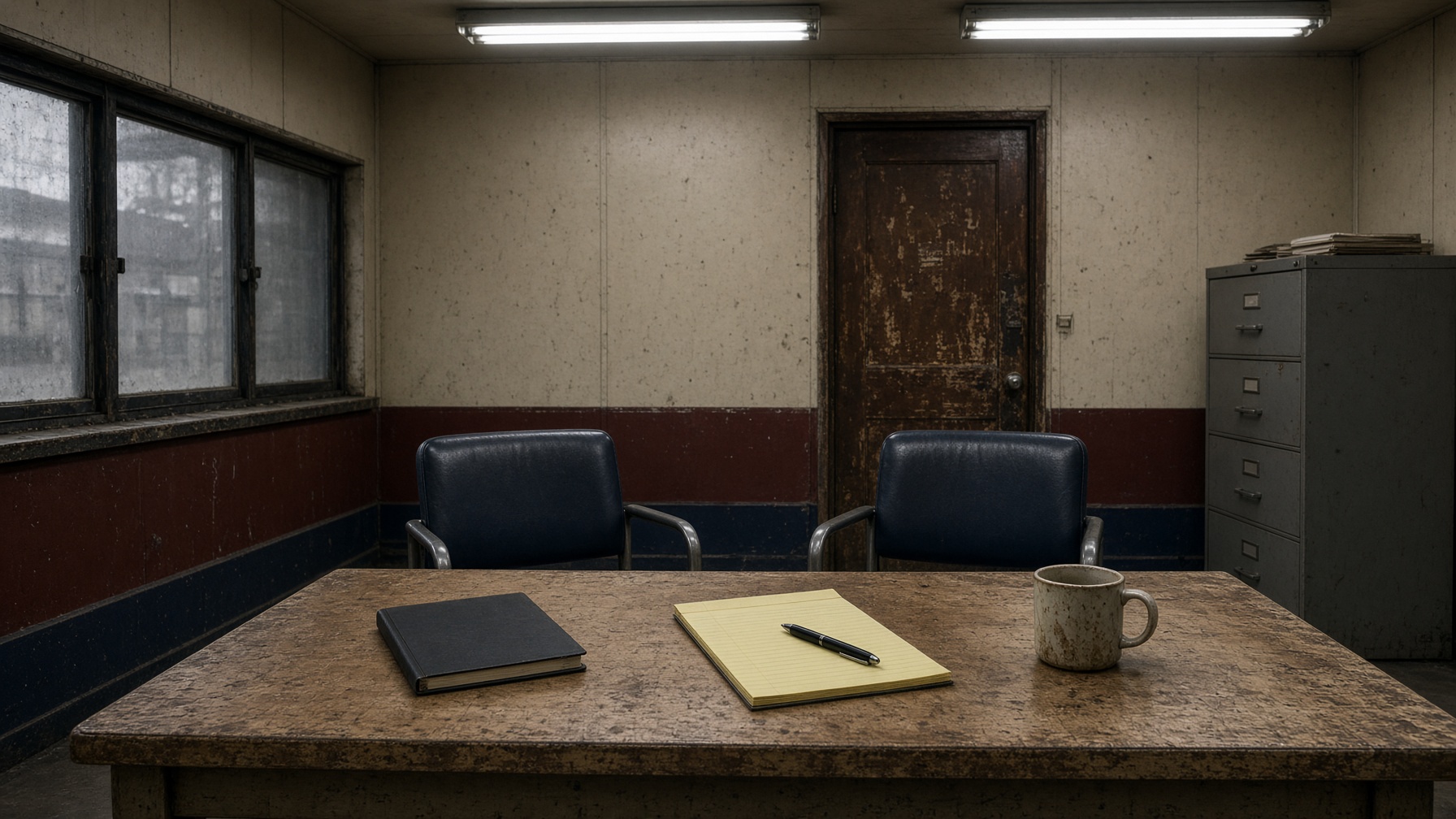
The meeting is not the grievance. The paper is. The room is where you find out if the company will fix it, fight it, or stall — and where a lot of cases get given away.
The clock starts before you feel ready. Time limits live in your collective agreement — five days, ten, fifteen — and late can kill a good case before anyone argues the facts.
A worker facing discipline or discharge does not have to prove innocence first. The employer has to justify the penalty. Other grievances usually run the other way.
Eight steps. Interview the member, read the agreement, get the paper, build the timeline, ask for the employer’s records, then name the redress. Hope is not a method.
Ungrieved contracting out gets harder to stop. The issue is not whether every contractor is bad. It is whether the employer followed the rules that were negotiated.
A grievance is not a complaint about a bad day. It is a formal claim that the employer broke the collective agreement — and it lives or dies on facts, articles, and time limits.