
Can Your Employer Change Your Schedule Without Notice? What Unionized Workers Need to Know
· 6 minute read · Aaron Beaudry
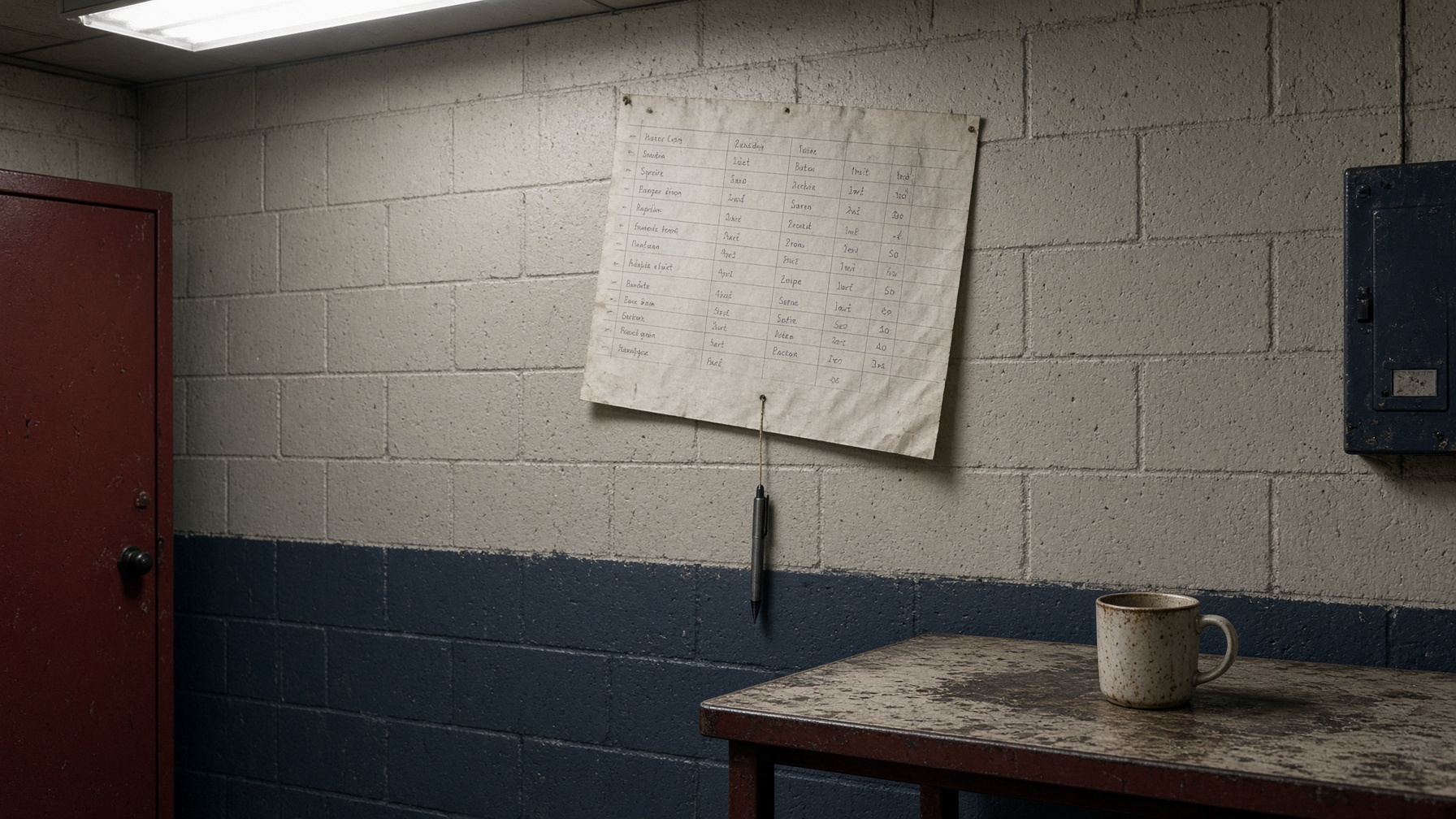
You check the schedule and you are on Saturday. Nobody asked. Nobody called. The board just changed. Can they do that?
For unionized workers it is not a simple yes or no. The collective agreement, past practice, and the employment standards that actually apply to your workplace all sit on the table. What happened at another plant does not decide yours.
Check the collective agreement first
A lot of books have real language on scheduling. How the schedule is posted. How much notice. Changing scheduled days off. Shift changes. Seniority. Overtime. Call-outs. Shift premiums. Emergencies. Temporary changes. Some agreements give management a lot of room. Others nail down when and how a change can happen. Read your own.
What about management rights?
Employers point to management rights — they run the place, they organize the work. That clause is not a blank cheque. The rest of the book can limit when they change a schedule, assign a shift, or move a day off. If they skip the notice, the seniority, or the posting rule you bargained, the union may have a grievance.
Changing the schedule is also not the same as changing the job. Hours and days off live in the scheduling language. Classification and duties live somewhere else. Do not mix the two fights.
What about Ontario employment standards?
Here is the part people get wrong. Ontario’s Employment Standards Act does **not** give you a general right to 24 or 48 hours’ notice before a shift change. Those scheduling rules were planned years ago and repealed before they took effect. Day-to-day changes are often legal under the ESA.
What the ESA *does* still do: in most cases you get at least 11 consecutive hours free from work each day, plus weekly rest. If you report for work and are sent home, the three-hour rule can apply. There are exceptions. On-call is not “hours of work” until you are actually called in. None of that is a substitute for the notice language in your collective agreement.
What you do when the board changes
- Open the agreement. Schedules, shifts, notice, seniority, overtime.
- Keep the old schedule. Photo the board. Note the date and time of the change.
- Ask why. There may be a real emergency. There may just be a supervisor who did not plan the crew.
- Call the steward. They read the language before you guess.
- Do not refuse the shift until you understand the consequence. A lot of halls grieve the change instead of having you eat a letter for insubordination.
So: can your employer change your schedule without notice? Sometimes yes. Sometimes the book says no. For a unionized worker it depends on the agreement, management rights, seniority, past practice, and the statute that actually covers you. Do not take legal advice from the lunchroom. Read the posting language. Then talk to the union.